
The Financial Principles Most Cannabis Operators Ignore

Most operators in cannabis don’t have a finance problem. They have a decision-making problem that shows up in the numbers.
The difference matters.
You can have revenue, growth, and even profit on paper, and still be making decisions that slowly kill the business. I’ve seen it happen in cultivation rooms, manufacturing labs, and retail floors. The common thread isn’t lack of effort. It’s misunderstanding what actually drives value.
This is where financial principles stop being academic and start becoming operational.
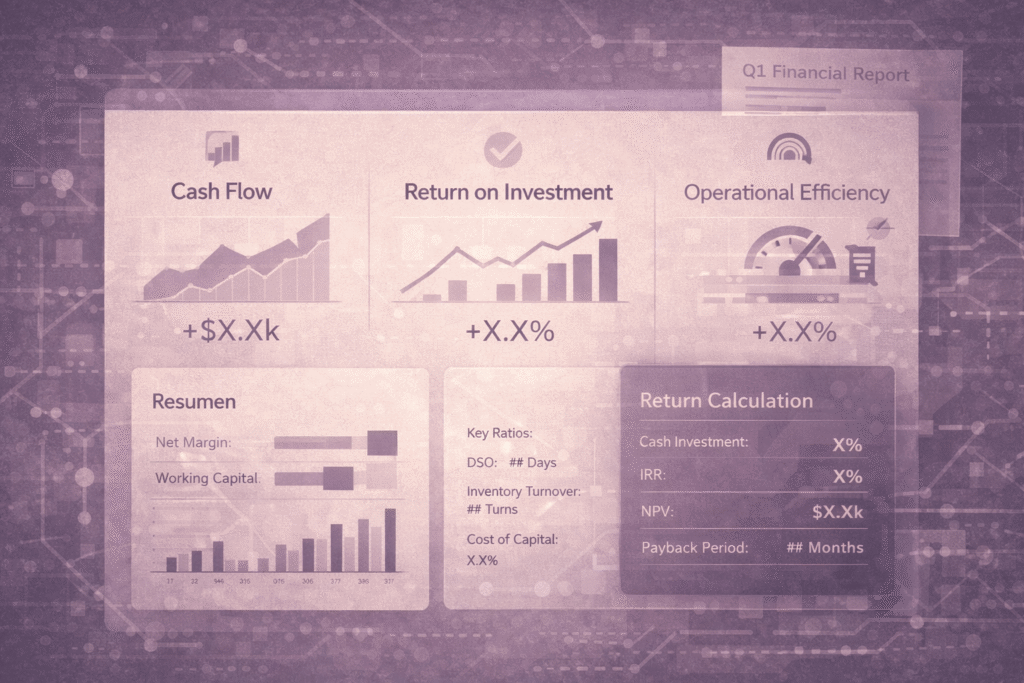
Cash Flow Is the Business
Profit tells you how things look. Cash flow tells you if you’re alive.
In cannabis, this gap gets amplified. You can sell product, book revenue, and still not see cash for weeks.
Meanwhile, payroll, rent, compliance costs, and inputs don’t wait.
That’s working capital.
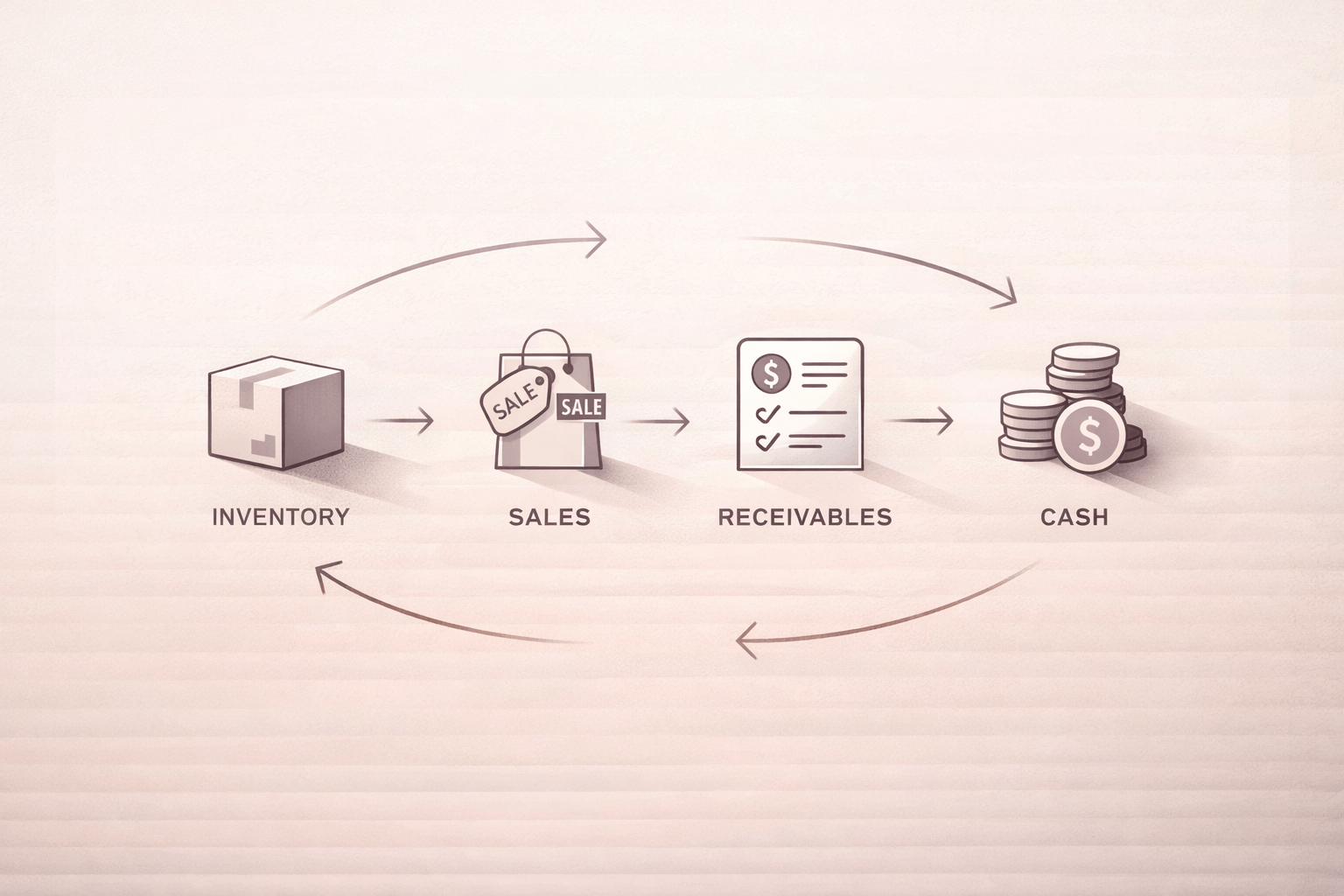
Inventory sitting too long ties up cash. Receivables that stretch too far delay cash. Poor purchasing decisions accelerate cash burn. When you stack those together, you can be “profitable” and still fee
l like you’re constantly short.
Operators who understand this don’t just track revenue. They track how fa
st product moves, how quickly customers pay, and how long cash is tied up in the system.
That’s where control actually starts.
Inventory Is Either an Asset or a Liability
On paper, inventory is an asset. In practice, it behaves like both.
In cultivation, overproduction feels like a win until pricing compresses. Now your “asset” is degrading in value while tying up capital.
In manufacturing, slow-moving SKUs quietly eat margin. You don’t notice it immediately, but over time, it compounds.
In retail, inventory that doesn’t turn fast enough is just cash sitting on a shelf.
The financial principle here is simple: capital has a cost. Every dollar tied up in inventory has an opportunity cost.
Operators who internalize this start asking different questions:
- How fast does this move?
- What is the real margin after time?
- What is this inventory costing me to hold?
Not All Revenue Is Equal
Revenue is easy to chase. Value is harder to create.
Two deals can generate the same top-line number but have completely different outcomes. One collects quickly, turns inventory efficiently, and supports margin. The other drags out payment, disrupts operations, and creates downstream issues.
From a finance perspective, this is about risk and return.
Higher risk should require higher return. But in practice, operators often accept risk without adjusting pricing, terms, or structure.
That’s where value gets lost.
When you start thinking in terms of risk-adjusted return, you stop treating all sales the same. You start prioritizing the ones that actually build the business.
Cost of Capital Is Always There
(Even If You Ignore It)
Most operators don’t think about cost of capital explicitly. But it shows up in every decision.
Whether it’s cash, debt, or investor money, capital isn’t free. It has an expected return.
When you invest in new equipment, expand a facility, or launch a product line, you’re implicitly betting that the return will exceed that cost.
If it doesn’t, you’re destroying value, even if revenue increases.
This is where concepts like NPV and IRR matter, not as formulas, but as frameworks.
Does this investment generate more value than it costs?
How long does it take to return capital?
What happens if assumptions are wrong?
You don’t need a complex model to ask those questions. You just need to think like capital has a price.
Time Changes Everything
A dollar today is not the same as a dollar a year from now.
This sounds basic, but it’s one of the most misunderstood realities in operations.
In cannabis, timing shows up everywhere:
- Delayed receivables
- Inventory cycles
- Payment terms
- Expansion timelines
The longer cash is tied up, the less valuable it becomes. The faster it returns, the more flexibility you have.
This is the time value of money in practice.
Operators who understand this prioritize speed. Not just in sales, but in cash conversion.
They structure deals differently. They push for faster turns. They evaluate opportunities based on how quickly they return capital, not just how much they generate.
Risk Is Not Optional
Every decision has risk. The only question is whether you’re accounting for it.
In cultivation, risk shows up in yield variability, environmental factors, and market pricing.
In manufacturing, it shows up in throughput, consistency, and demand forecasting.
In retail, it shows up in customer behavior, competition, and inven tory mix.
Financially, risk should influence how you evaluate decisions.
Higher uncertainty should mean:
Higher required return
Shorter payback expectations
More conservative assumptions
When operators ignore risk, they overestimate value. That’s where bad decisions come from.
Growth Without Structure Breaks Things
Growth is attractive. But growth without financial discipline creates problems faster than it creates value.
Adding capacity, launching new SKUs, expanding locations — these all require capital.
If working capital isn’t managed, growth increases cash strain.
If cost of capital isn’t considered, growth destroys value.
If risk isn’t priced in, growth amplifies mistakes.
The operators who scale successfully don’t just grow. They allocate capital intentionally.
They know where money is going, how long it’s tied up, and what it’s expected to return.
That’s the difference between expansion and execution.
Capital Budgeting Is an Operational Skill
Capital budgeting sounds like a finance function. In reality, it’s an operational one.
Every time you decide to:
- Buy equipment
- Expand a facility
- Change production strategy
- Launch a product
You’re making a capital allocation decision.
The question isn’t whether you’re doing it. It’s
whether you’re doing it well.
Good decisions come down to a few core ideas:
- Understand the cash flows
- Account for time
- Adjust for risk
- Compare return to cost
What Matters
You don’t need to memorize formulas to run a strong operation. But you do need to think in terms of value.
That means:
- Understanding where cash is tied up
- Recognizing that time impacts valueTreating capital as something that has a cost
- Adjusting decisions based on risk
- Focusing on return, not just revenue
When those principles are embedded into how you operate, finance stops being a separate function.
It becomes how the business runs.